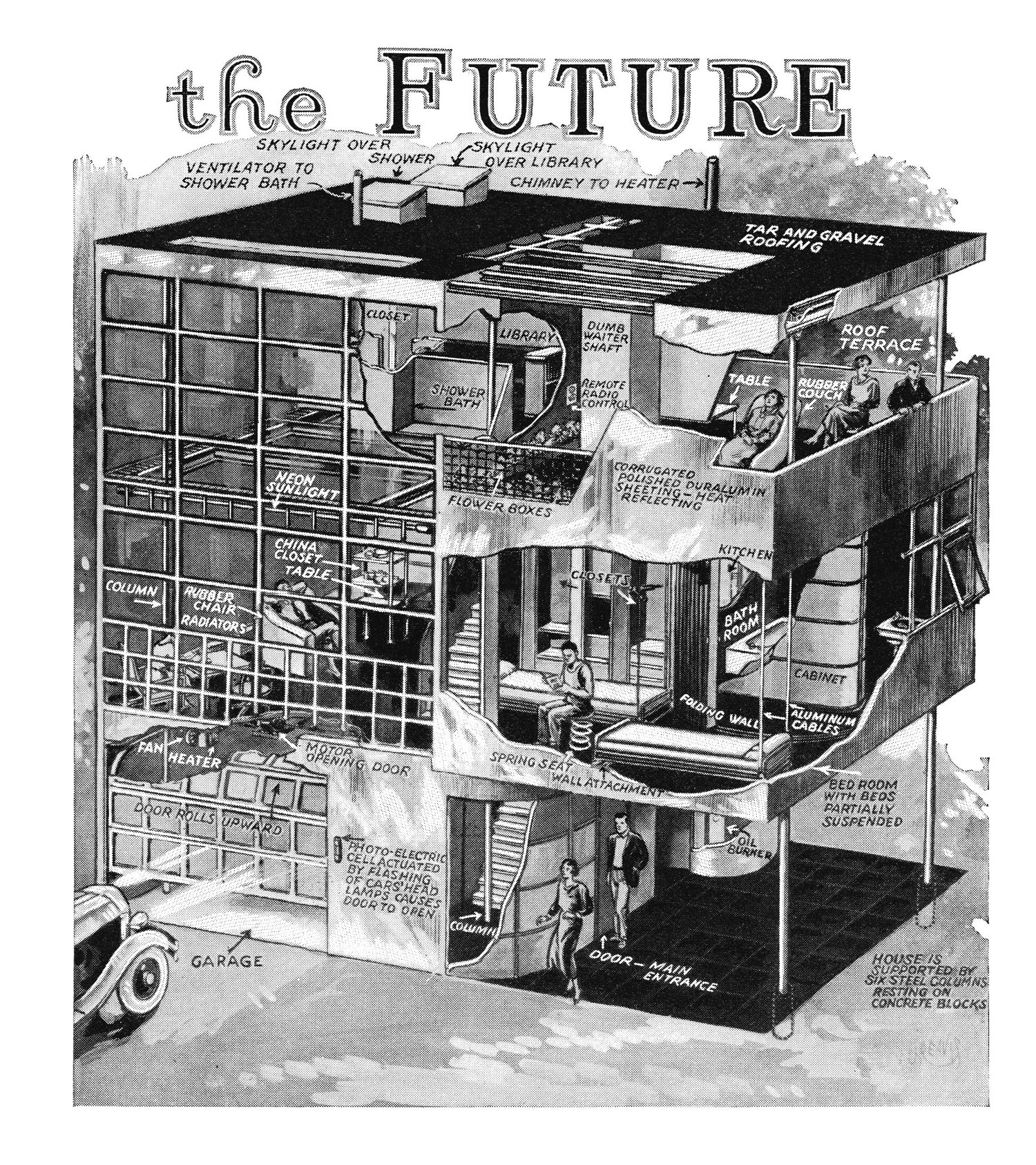
In 1931, Popular Mechanics called an aluminum box on a New York exposition floor "The Home of the Future." It went up in ten days, and more than 100,000 people walked through it in the first week.
Ninety-five years later, the Aluminaire House is a cutaway illustration on a wall at LACMA, and the line to see the future is shorter. That should change. Home of the Future, 1925-1985: Designing Domestic Utopias opened September 27 in the Resnick Pavilion and runs through March 14, 2027. It is one of the best things to happen to the Miracle Mile in a while, and if you sell houses in this city, it's homework you'll enjoy.
What the show actually is
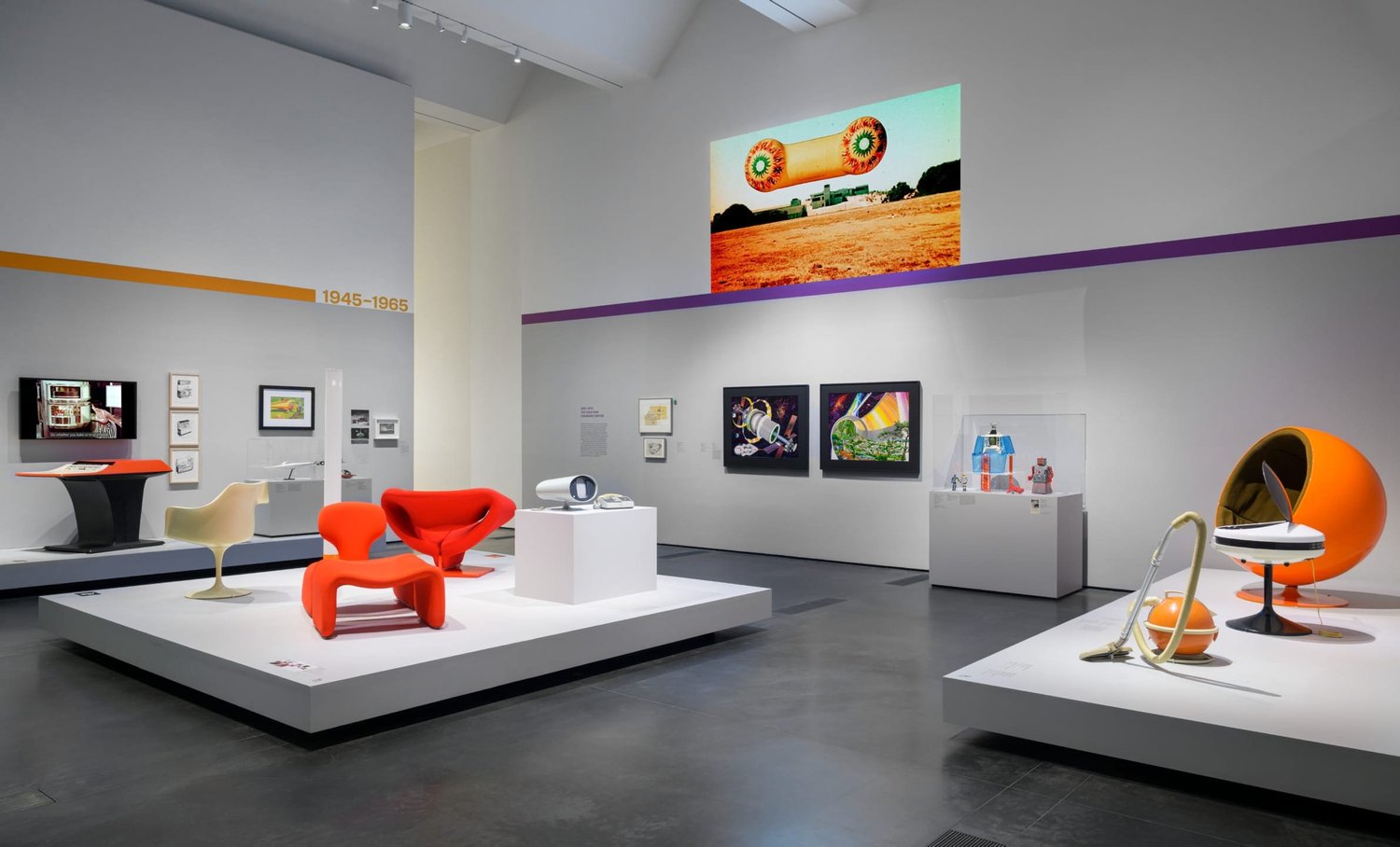
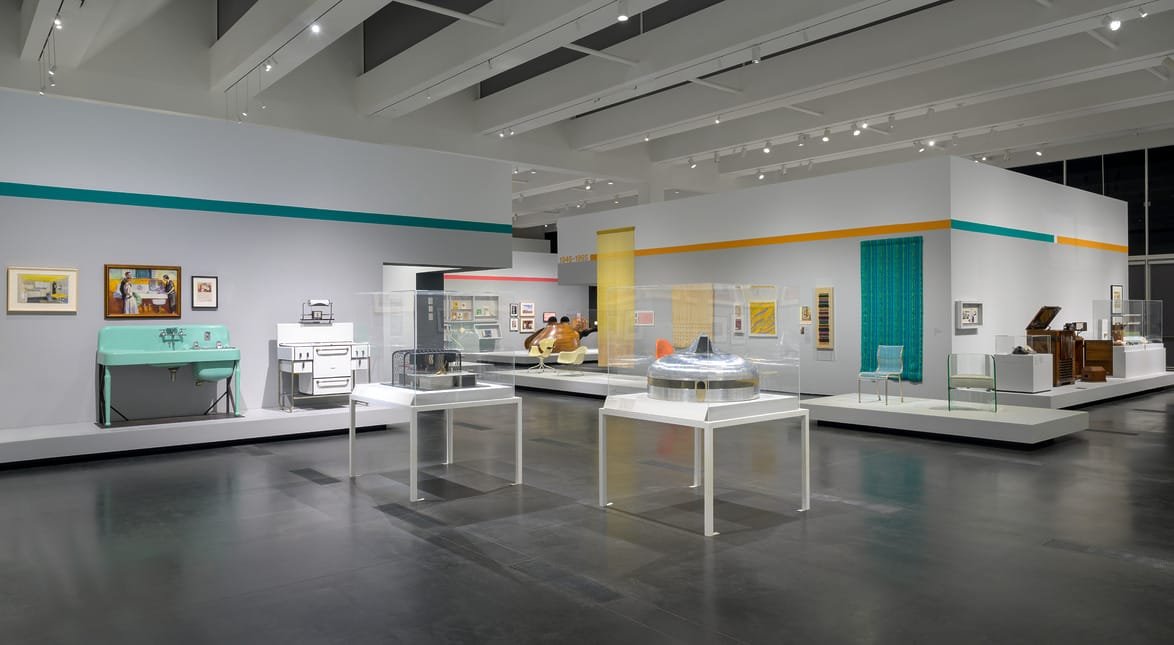
Curator Wendy Kaplan, who heads LACMA's Decorative Arts and Design department, and associate curator Grace Converse have pulled together more than 260 objects and images. These include architectural models, drawings, photographs, film clips and an alarming number of toasters. The subject is how Americans were promised a better house, over and over, for sixty years, and who did the promising.
It runs in four overlapping sections:
1925-1945: Health, Efficiency, and Mechanization. The house as a machine. Chrome, Bakelite, germ-free surfaces and a housewife recast as a lab technician.
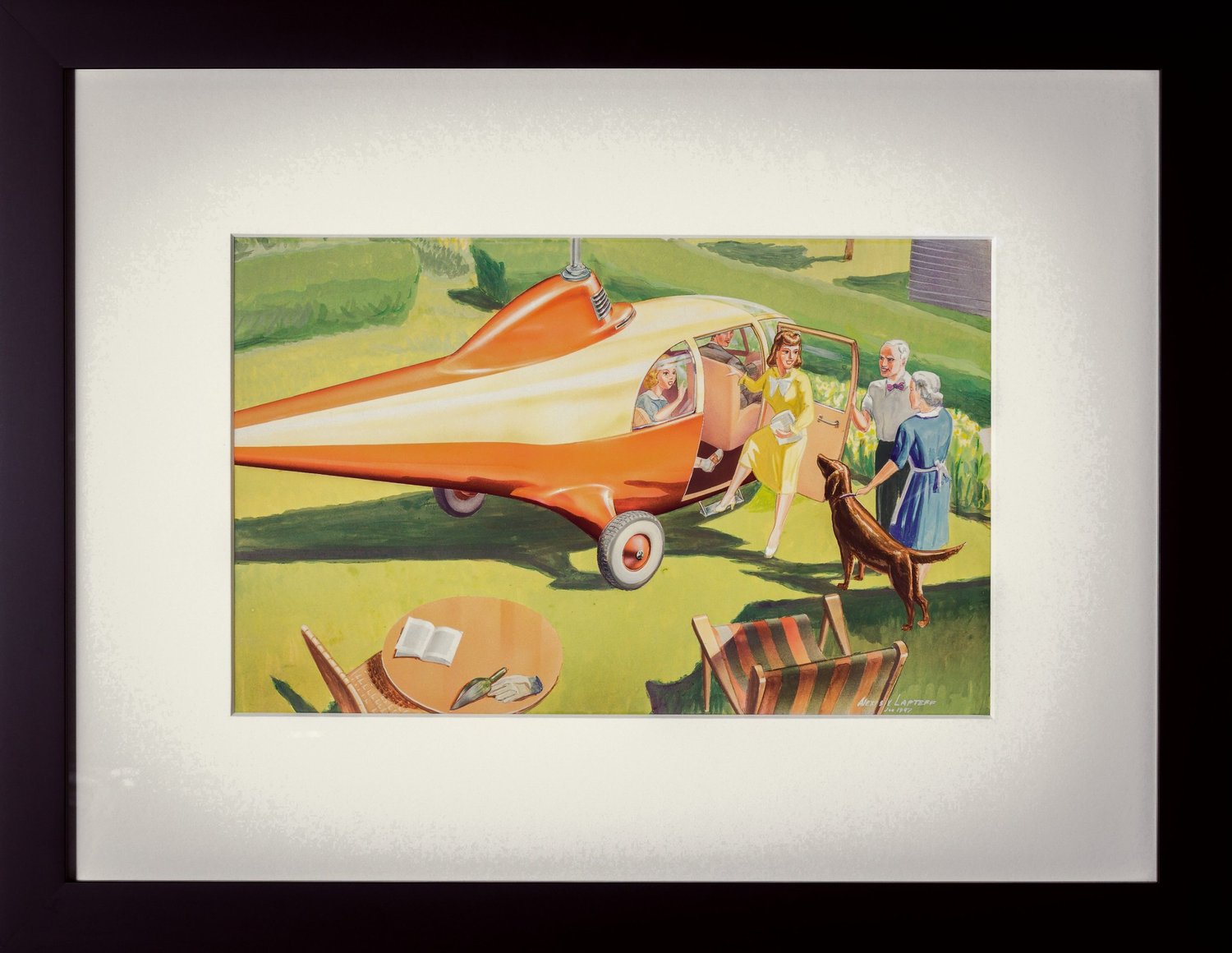
1945-1965: Plastics, Push Buttons, and Prefabrication. The future shows up for real. Molded plywood, Formica, the Eames House and the Monsanto House of the Future at Disneyland.
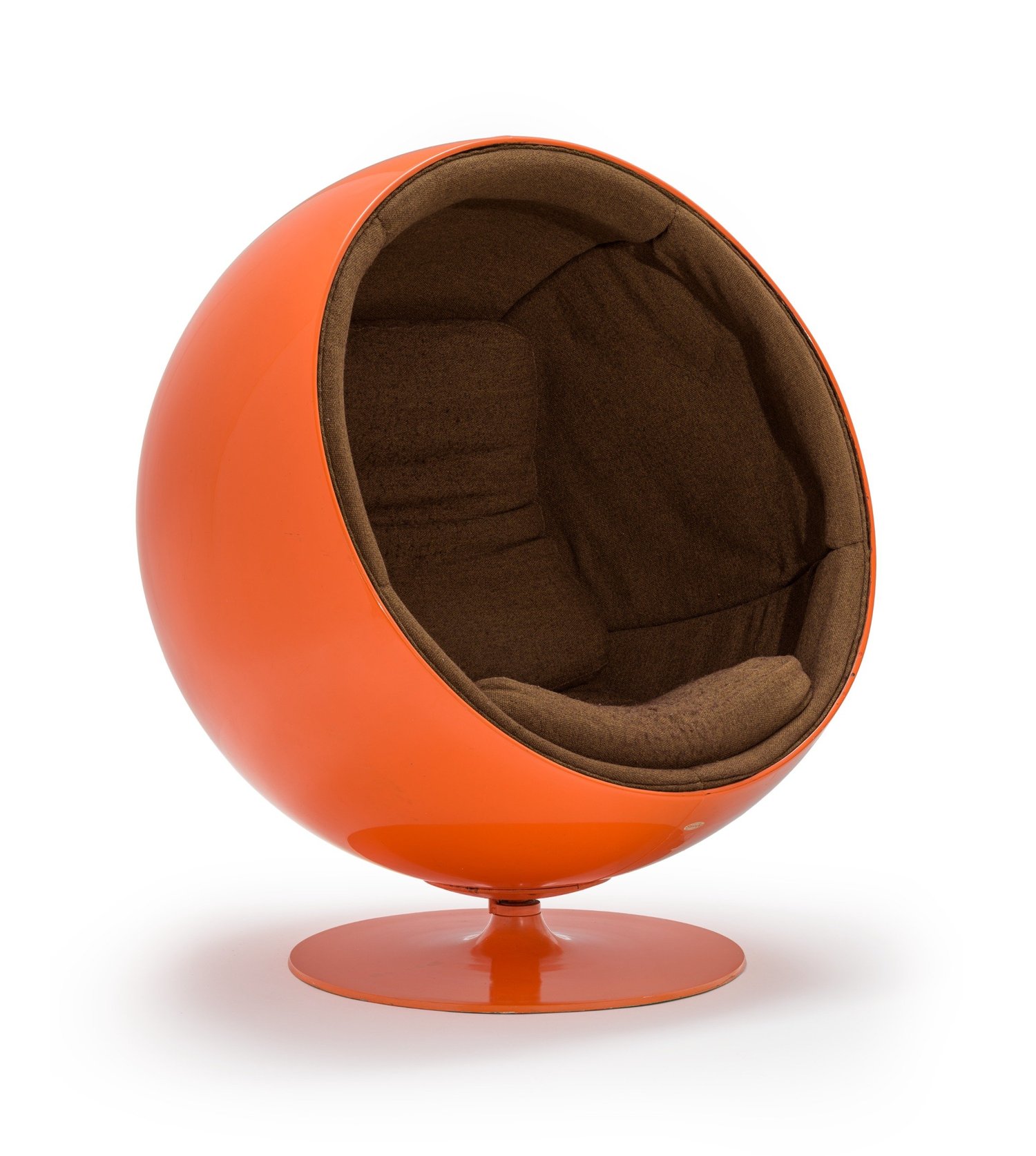
1950-1970: The Cold War Command Center. The living room becomes a bunker with a television in it. Ball Chairs, fallout shelters and Spock in a Ribbon chair.
1965-1985: The Counterculture and the Computer. Geodesic domes made from car roofs, the Whole Earth Catalog and then, of course, the Macintosh.
Tucked inside is a separate small show, The Kitchen and Its Discontents. It debuts two kitchens LACMA recently acquired: Margarete Schütte-Lihotzky's Frankfurt kitchen and Charlotte Perriand's kitchen for Le Corbusier's Unité housing blocks. Part 4 of this series is about kitchens, because of course it is.
The part nobody puts on the brochure
What sets this show apart from an exhibit of nice chairs is that it keeps asking who the future was for. The wall text says it plainly: the postwar promise of homeownership was systematically denied to Black Americans through redlining, racially restrictive covenants and discriminatory lending. Barbie's Dream House shows up in 1962 with no kitchen, which reads as a statement of independence, at a time when many real women couldn't get a mortgage without a male co-signer. The show handles all of this without lecturing you. It just puts the receipt next to the brochure.
If you work in housing, that context is part of your job. The history of who was allowed to buy is the reason fair housing law exists, and this is one of the more watchable ways to learn it.
Why an agent should spend a Sunday here
Three reasons, and I will keep them short because you are reading this between showings.
You will learn to name things. Plenty of the mid-century houses you list still hold a piece of this show, or the ghost of one. Being able to tell a seller "that's a Henry Dreyfuss Round thermostat, original, leave it on the wall" earns you more credibility than a CMA.
You will see LA everywhere. The Eames House, Neutra's Lovell Health House, Lautner's Chemosphere and Silvertop, and a Gregory Ain prototype are all in here, alongside a lot of LA-made design. Part 2 covers the local material.
And you will see the history of real estate marketing told through other people's mistakes. Model homes, world's fair showrooms, glossy magazine spreads, celebrity endorsements and miracle claims all appear here. Agents still use every one of those techniques. Part 3 sorts out which ones still work.
Plan the visit
Where: Resnick Pavilion, LACMA, 5905 Wilshire Blvd.
When: Through March 14, 2027. The museum is closed Wednesdays. Check lacma.org for hours and closures before you go; LACMA sometimes closes early for private events.
Getting there: The Metro D Line now stops at Wilshire/Fairfax, right at the museum. Use it. Parking on the Miracle Mile on a weekend is its own exhibition about the limits of optimism.
Tickets: tickets.lacma.org.
Bonus: Paul R. Williams: Architect for Living opens in the adjoining gallery November 15 and runs through May 31, 2027. If you sell in Los Angeles and you haven't studied Williams, there is nothing I can say in a blog post to make that okay.
The catalogue is sold at the LACMA Store. It costs $80 and has fifteen essays, which makes it a better closing gift for an architecture buyer than another bottle of wine.
The future, it turns out, was mostly a sales pitch. Go see how the pitch was built.
Next in the series: Part 2, The Los Angeles Houses Hiding in LACMA's Home of the Future.
